Hokkaido in bloom
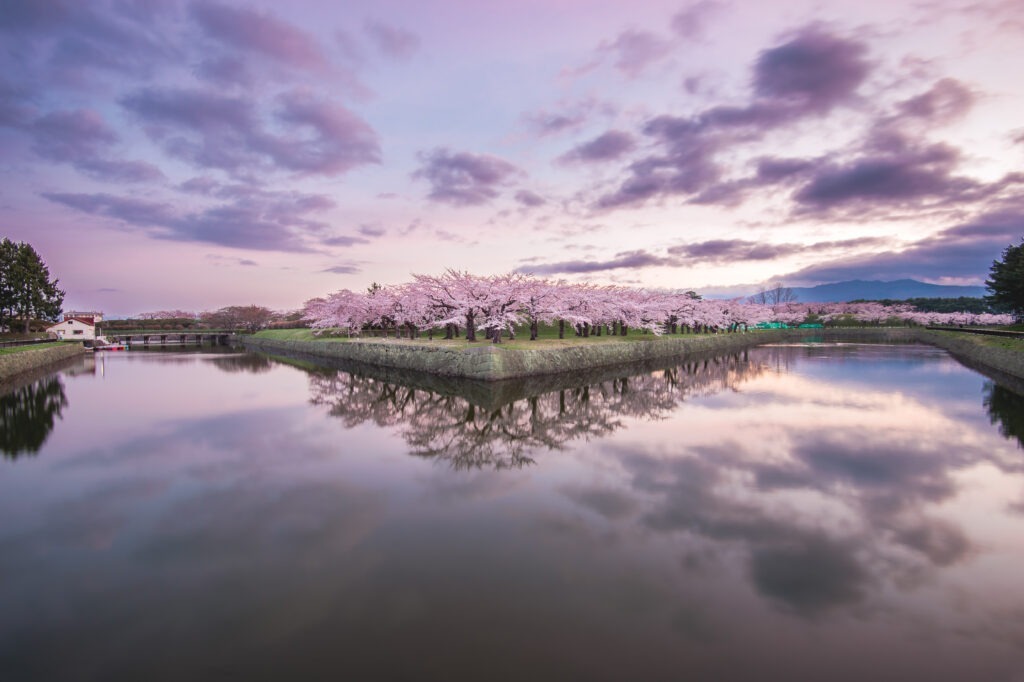
14 DAYS DISCOVERING JAPAN AND HUNTING CHERRY BLOSSOMS IN HOKKAIDO
Celebrate Japan's spectacular cherry blossom season at the world famous Goryokaku Fortress, taking in the magic of spring and sampling the flavours of the shogunate.
- * Please note that the text shown on this page includes machine translations.
TOUR HIGHLIGHTS
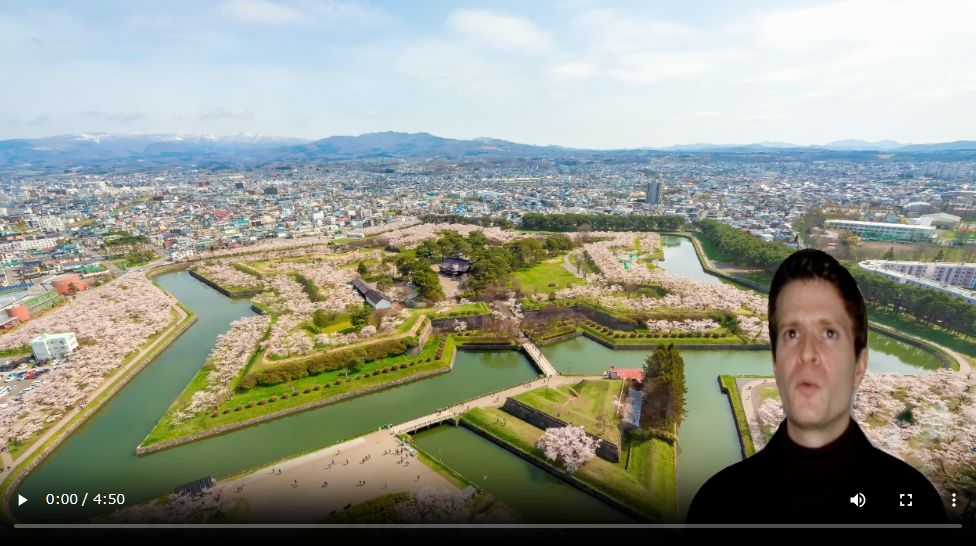
Introducing Hokkaido
Isolated for centuries from the rest of Japan, Hokkaido is the nation’s northernmost main island. You’ll spend a full week sampling the unique local culture, stepping through its earliest history and immersing yourself in its fantastic natural wonders, from wildlife to still-active volcanoes.
The Golden Route
The second leg of your voyage will be spent on the central island of Honshu, loosely following the so-called Golden Route – a well-trodden tourist trail that takes in all of classical Japan’s finest sites and treasures, including fabulous palaces, beautiful castles and serene religious centres.
Comfort and style
You will be staying at luxury hotels and eating at fine restaurants carefully selected to showcase the best of Japan’s many delicious cuisines, accompanied throughout by a knowledgeable, English-speaking guide.
DURATION :
14 days / 12 nights
ARRIVAL :
Fly out from London Heathrow to Tokyo Haneda,
catching a connecting flight to Hakodate
DEPARTURE :
Depart from Haneda Airport
PERFECT FOR :
This tour is designed for people who prefer to travel in style, and who enjoy a carefully curated experience.
WHEN TO VISIT :
This tour is at its best between late April and early May, when the cherry blossoms are most likely to be in bloom. However, we cannot guarantee the blossoms as they flower at different time each year.
S A P P O R O :
Northern glory
One night
N O B O R I B E T S U :
Heaven and Hell
One night
N I S E K O :
Mountain hideaway
One night
H A K O D A T E :
Gateway to the north
Two nights
T O K Y O :
The dazzling metropolis
Three nights
K Y O T O :
Imperial grandeur
Three nights
O S A K A :
Capital of cool
One night
Day 1: Have a good trip
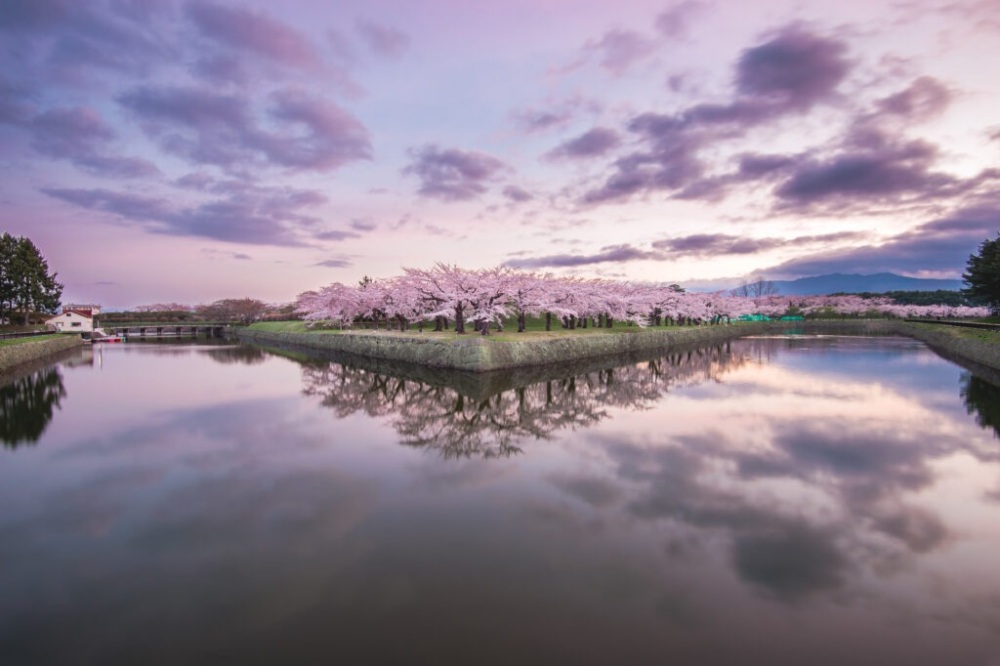
Your journey starts as you board a comfortable international flight from London Heathrow Airport, bound for Tokyo. Your travel agent will be able to recommend the most suitable carrier, but we recommend an overnight service so you can arrive rested and ready to explore Hokkaido tomorrow afternoon. Your meals will be served in the air.
Day 2: Welcome to Hokkaido
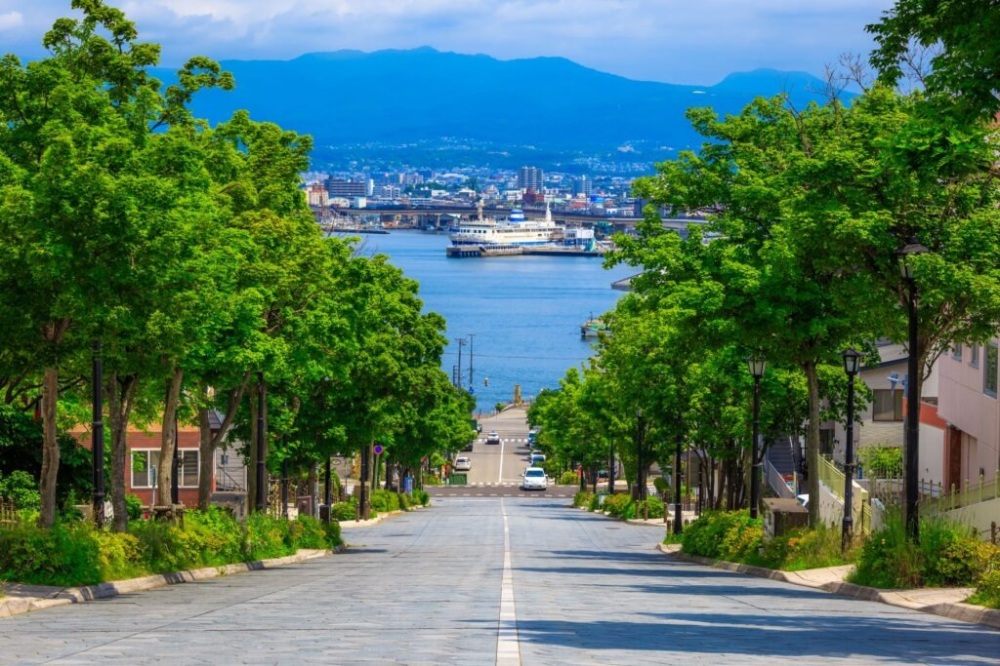
Your flight arrives in Japan today, landing at Tokyo’s Haneda Airport after an in-flight breakfast. You’ll take the shuttle bus from the international terminal to the domestic terminal, where you’ll have time to grab a quick lunch before you board a short northbound flight to Hakodate on the island of Hokkaido.
Your English-speaking guide for the following week will meet you at Hakodate Airport and escort you into the city for some sightseeing. They will drive you around the island by private car until your departure on Day 7.
Hakodate is a gorgeous, compact city on Hokkaido’s southern coast, dominated by the looming Mt Hakodate. As one of the first ports reopened to the rest of the world after the nation’s long period of isolation in the 17th, 18th and 19th centuries, Hakodate is unusually cosmopolitan. As it flourished with the wealth of international trade, it developed a unique architectural style which can be seen today in the Motomachi district, which boasts fine, western-style buildings including many historic churches.
After exploring for a little while, you’ll take afternoon tea at Tea Salon Hishii, a refined tea house famous or its roasted green tea ("hojicha") parfait – an ice cream sundae with distinct Japanese flavours. You’ll then check in at your hotel for the next two nights, the four-star Bourou Noguchi Hakodate, where you’ll be served an exquisite welcome dinner of kaiseki – Japanese haute cuisine in the traditional style, featuring Hakodate’s seafood specialties.
Day 3: Hakodate in full bloom
Your first breakfast on Japanese soil will be at your hotel, where your guide will meet you this morning. You’ll be touring more of the city today – and your first stop is the Goryokaku Tower, which at 107m tall offers unparalleled views of the whole city, including the spectacular star fort from which it takes its name.
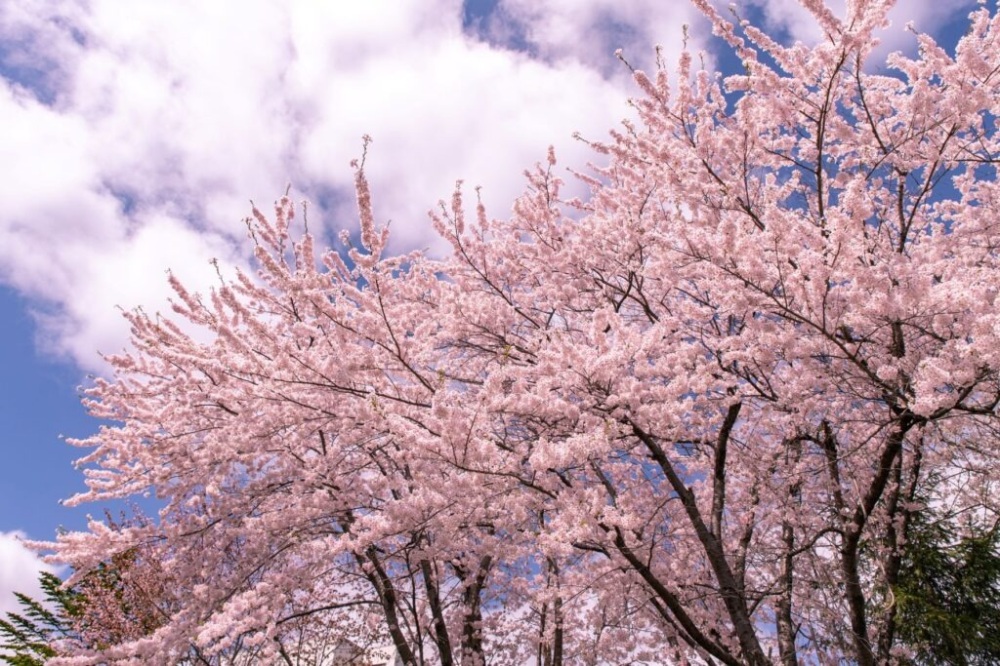
Goryokaku Park was once the grounds of the fortress built to protect the port, but it’s now one of most celebrated sakura spots in all Japan, with 1,600 blossom trees planted on the banks of the moat. You'll have plenty of time to explore.
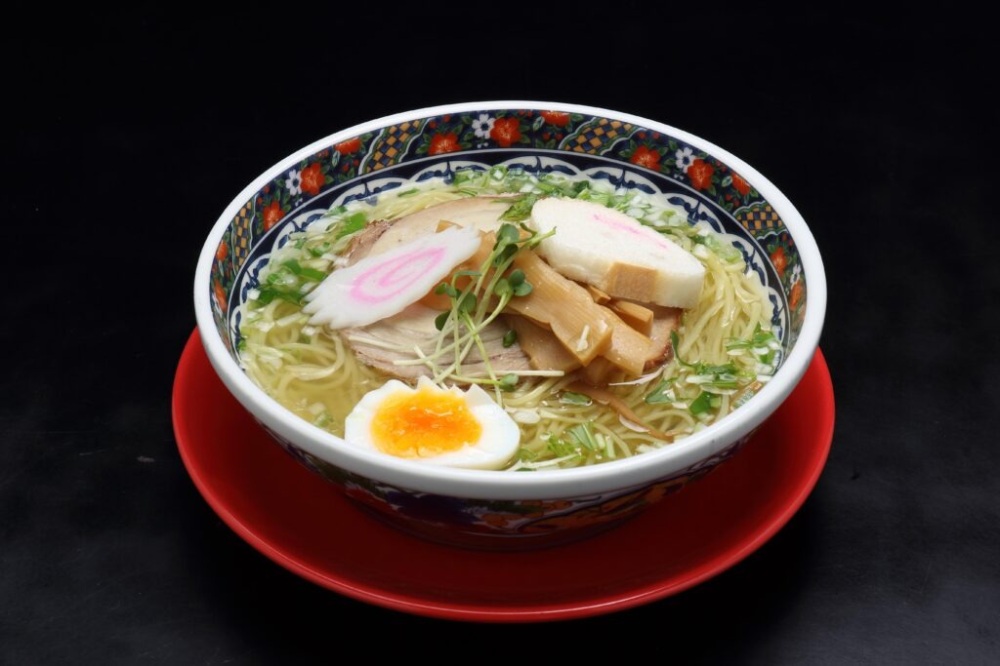
You’ll then visit Hakodate Magistrate’s Office. Built in the 1860s to regulate the new system of foreign trade, it was soon occupied by traditionalist forces rebelling against Japan’s rapid modernisation. It’s now a museum, with a fascinating tour of a site that has been so integral to the nation’s recent history. Lunch has been arranged at the famous Hakodate Shio Ramen Ajisai, which serves exquisite local varieties of ramen noodles. Eat up, because this afternoon is all about the sakura – the cherry blossom trees that paint the whole city pink each spring. Sakuragaoka Dori is a well-kept local secret, a splendid sakura-lined street you’ll never forget.
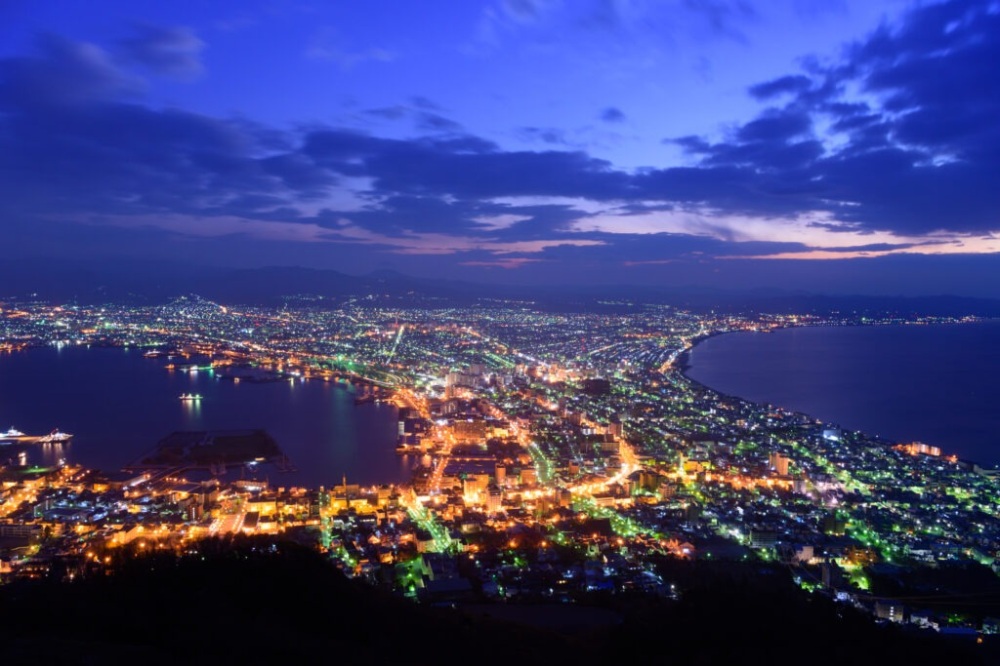
You’ll then head to Sumiyoshi Shinto Shrine at the foot of Mt Hakodate that bursts with yet more vivid blossom trees – before driving to Hakodate’s picturesque bay for an evening stroll. After a short rest at the hotel, tonight’s meal is at Sazan Shokudo for delicious miso crab. Once twilight falls, you’ll take the ropeway up the mountain for an unforgettable night-time panorama of the whole city – a spot that earned three stars in the Michelin Green Guide.
Day 4: Into the mountains
You’ll want to keep your breakfast light this morning before you hit the Hakodate Morning Market, a bustling food market that specialises in fresh-caught seafood – after all, you may not be able to help yourself sampling all the tasty morsels for sale! Today you’ll make for Onuma Quasi-National Park, a lake-strewn beauty spot much beloved by local nature-lovers, hikers and bird-watchers. Lunch will be at Table de Rivage, which puts an umami twist on European classics.
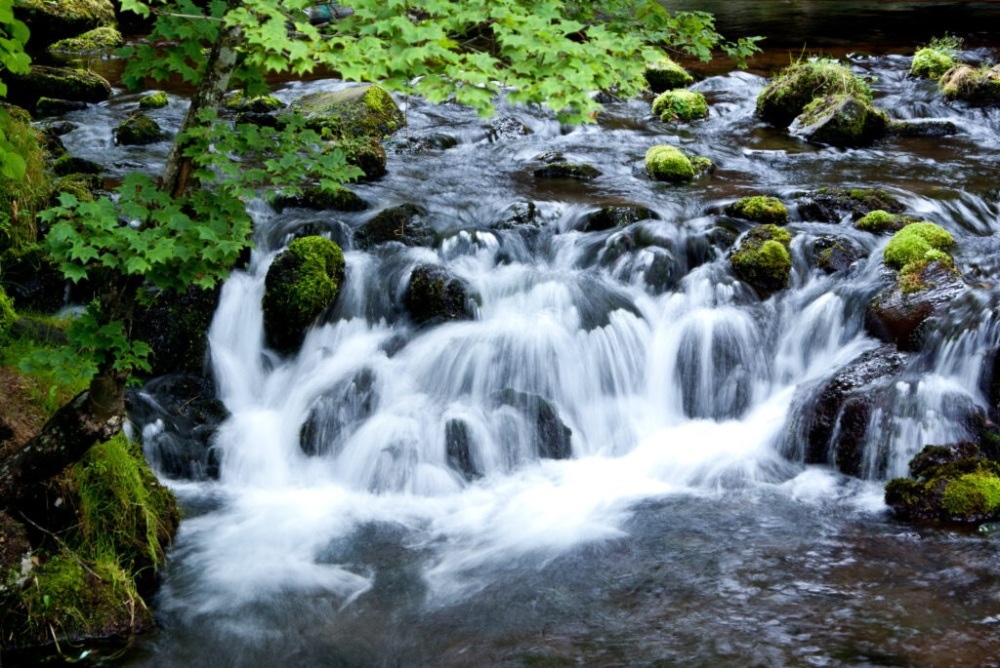
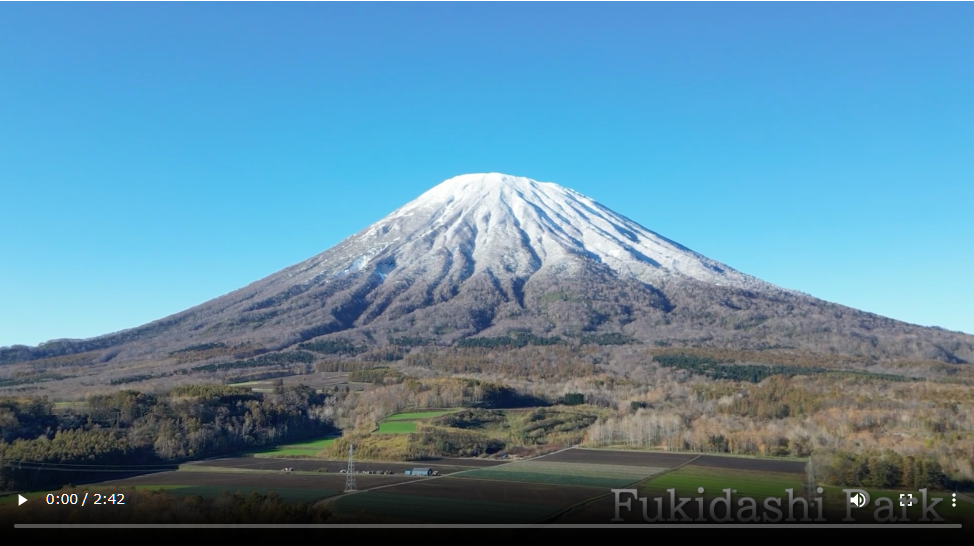
You’ll then drive further north to Niseko, a mountain village best known in the winter months as Japan’s premier ski resort. It’s too late in the year now to try out the fabled Niseko powder, but the area is gorgeous in the spring, best seen while rambling in Kyogoku Fukidashi Park, with its pure, naturally occurring springs and their sakura-lined banks.
That night, you’ll stay at the four-star Hilton Niseko Village and tuck into a buffet for your evening meal.
Day 5: Geothermal Hokkaido
Your guide will meet you after breakfast, ready for a trip to the Silo Observatory at the Shikotsu-Toya National Park. This is the perfect spot to gaze out at the placid blue waters of Lake Toya, punctuated by tree-lined mountains. You’ll stop off at the Toyako Visitor Centre – home to the Volcano Science Museum. Japan is highly volcanically active throughout, and the local Mt Usu last erupted as recently as the year 2000. But don’t worry, it’s now perfectly safe – as you’ll discover on your next stop, a cable car that takes you right up to the summit!
After exploring the area, including several actively steaming craters and some eerie buildings abandoned at the last eruption, you’ll eat at Wakasaimo Honpo Toyako, a restaurant with astonishing views out onto Lake Toya and the surrounding area. It’s sukiyaki on the menu – that’s thinly sliced beef simmered at the table and served with vegetables and noodles.
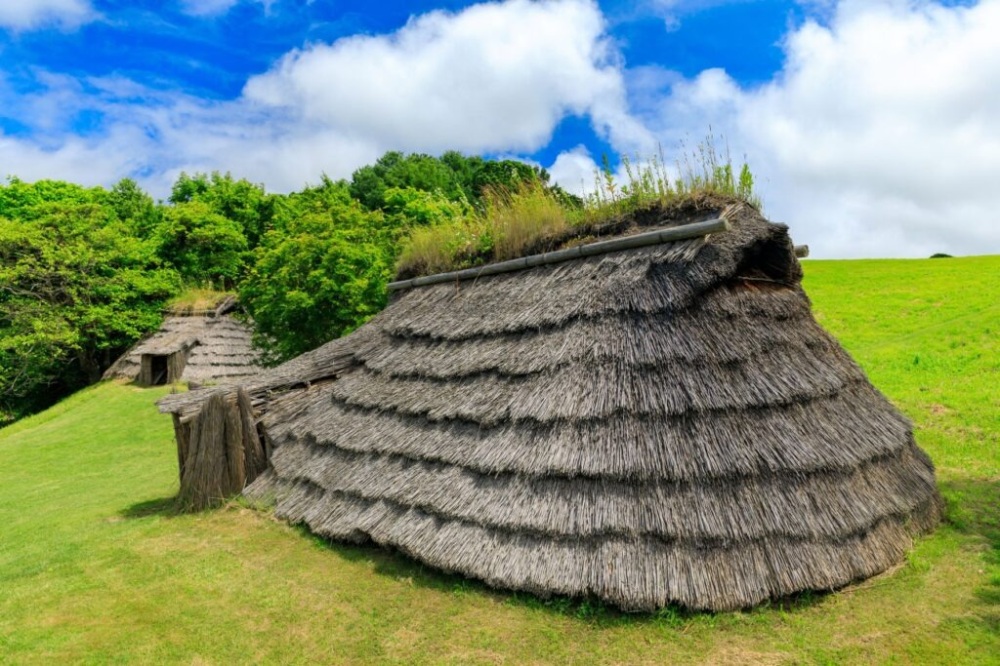
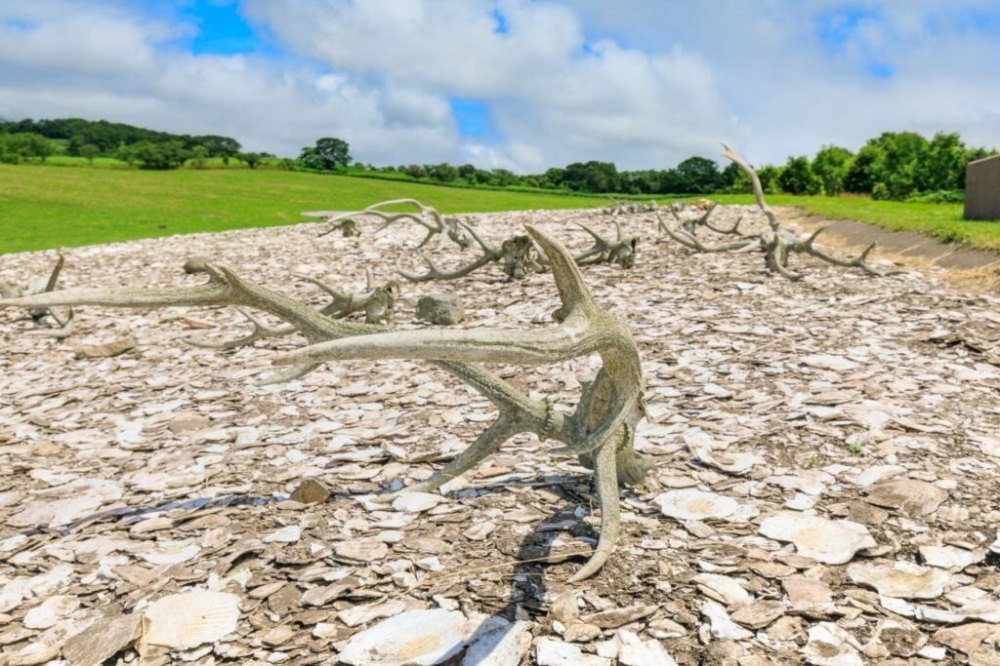
Kitakogane Shell Mound is the first UNESCO World Heritage Site you’ll see on your tour of Hokkaido – a truly ancient site once inhabited by the Jomon culture, the first islanders who immigrated to Japan up to 15,000 years ago.
That evening, you’ll hang your hat at the four-star Bourou Noguchi Noboribetsu Hotel in Noboribetsu, Hokkaido’s premier hot-spring resort. Hot springs – known here as “onsen” – are a Japanese national obsession, and one of the best by products of all that geothermal activity. This little town has many incredible natural onsen, just perfect for melting away the weariness of the road.
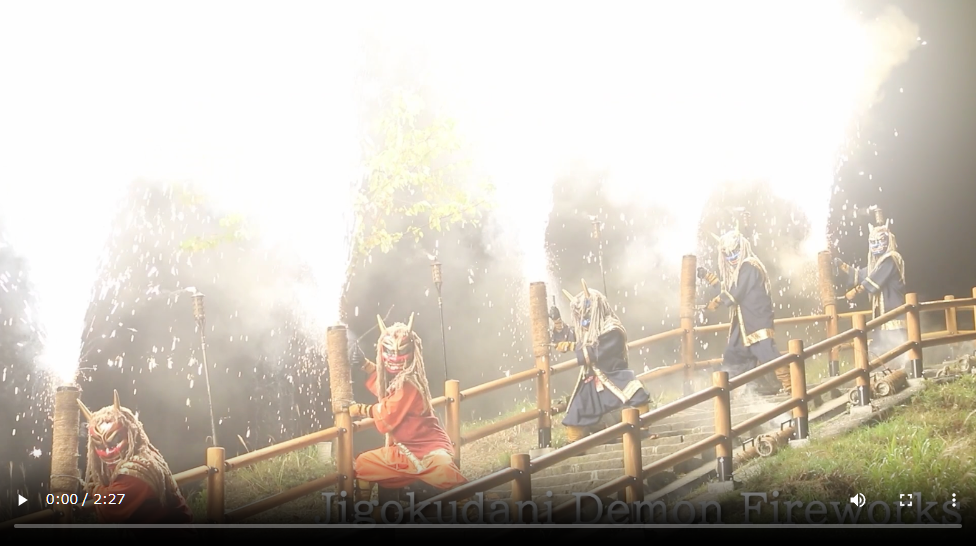
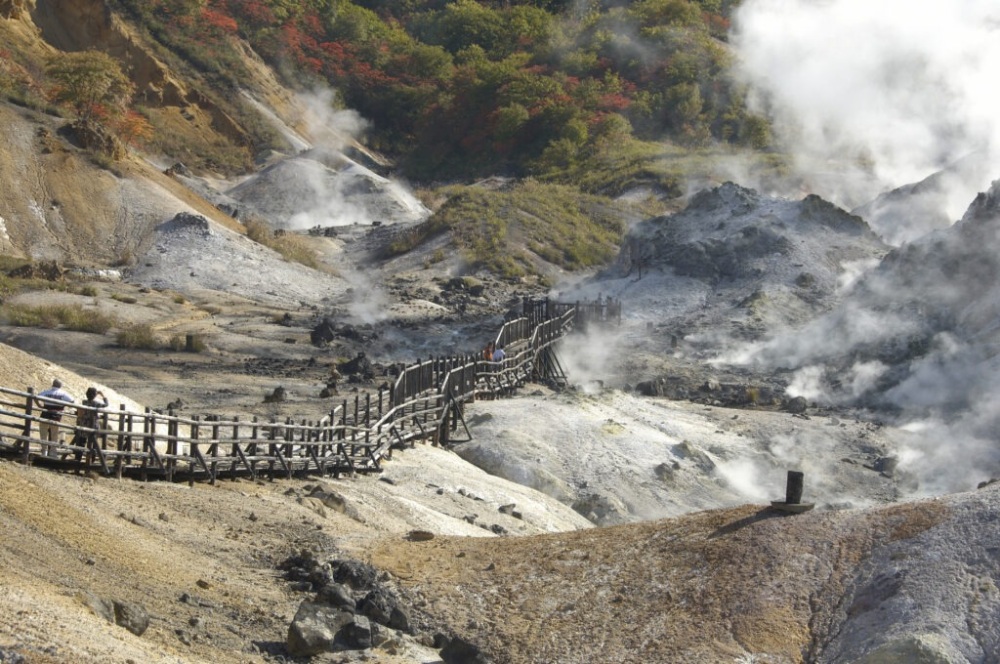
You’ll also get to see Noboribetsu Jigokudani – a.k.a. “Hell Valley” – where sulphurous steam pushes its way out of pores in the ground, and a place said to be inhabited by Oni, ogres from Japanese folklore. You’ll eat your evening meal at the hotel tonight.
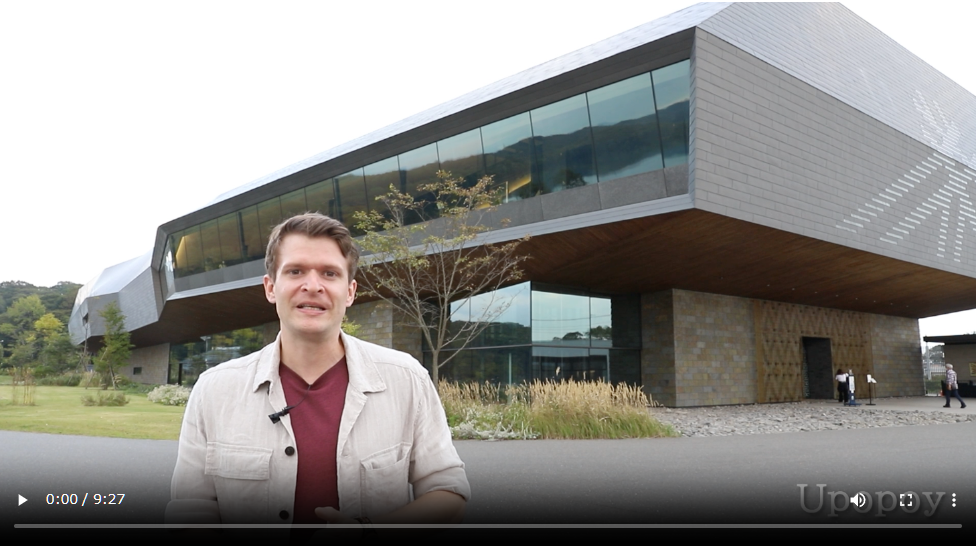
After breakfast, you’ll drive with your guide to the Upopoy, which hosts the first national museum dedicated to the Ainu, the indigenous people of Hokkaido. A distinct ethnic group, the Ainu have their own unique arts, religion, language and culture.
Day 6: Bright lights, big city
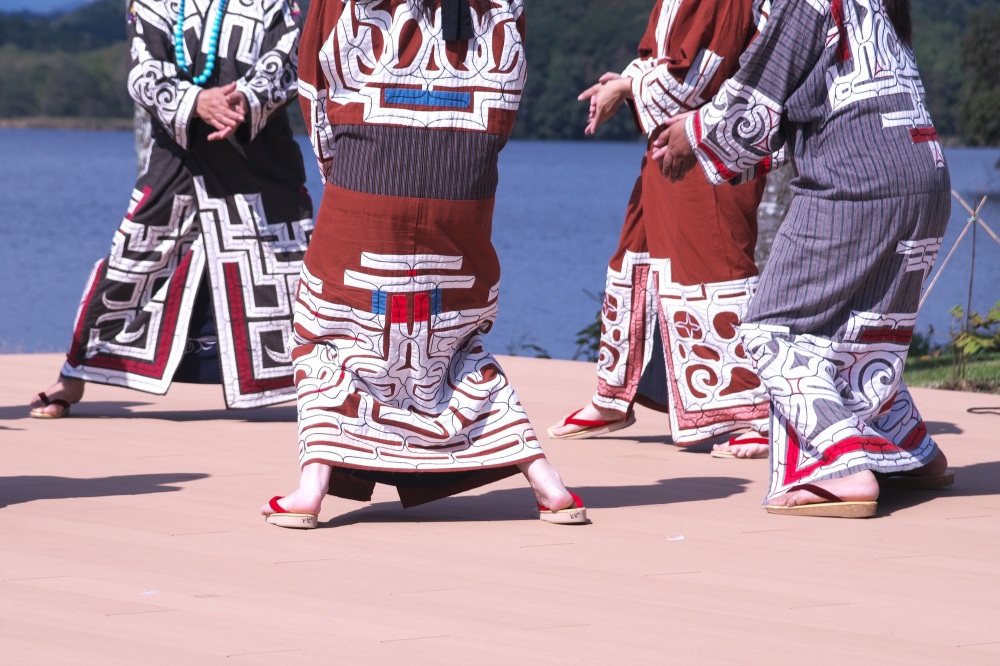
After breakfast, you’ll drive with your guide to the Upopoy, which hosts the first national museum dedicated to the Ainu, the indigenous people of Hokkaido. A distinct ethnic group, the Ainu have their own unique arts, religion, language and culture.
Lunch will be at Farm Uemura Beyond, where you’ll dine on shiraoi beef – the local variety of wagyu.The Japanese take the welfare and preparation of their beef cattle very seriously, and high-quality wagyu has a distinct flavour and consistency all of its own. You can even order steak sushi! You’ll then pop over to Sapporo, the largest city on Hokkaido.
During winter, the extreme cold forces life underground into a specially constructed subterranean city, but you’ll be seeing Sapporo at its springtime best, visiting Odori Park, the Sapporo Clock Tower and the continental-style Hokkaido University. You’ll even have the chance to see more sakura at Moerenuma Park. Your hotel tonight is the four-star JR Tower Nikko Sapporo, the tallest building on the whole island with incredible views of the city twinkling below your feet. You’ll eat at Genghis Khan Hige No Ushi, a Mongolian-style restaurant that specializes in a special local twist on aromatic lamb. And if you wish, we can arrange a night-time excursion to the nearby Mt Moiwa as an optional extra, for further incredible views of Sapporo.
Day 7: Goodbye Hokkaido
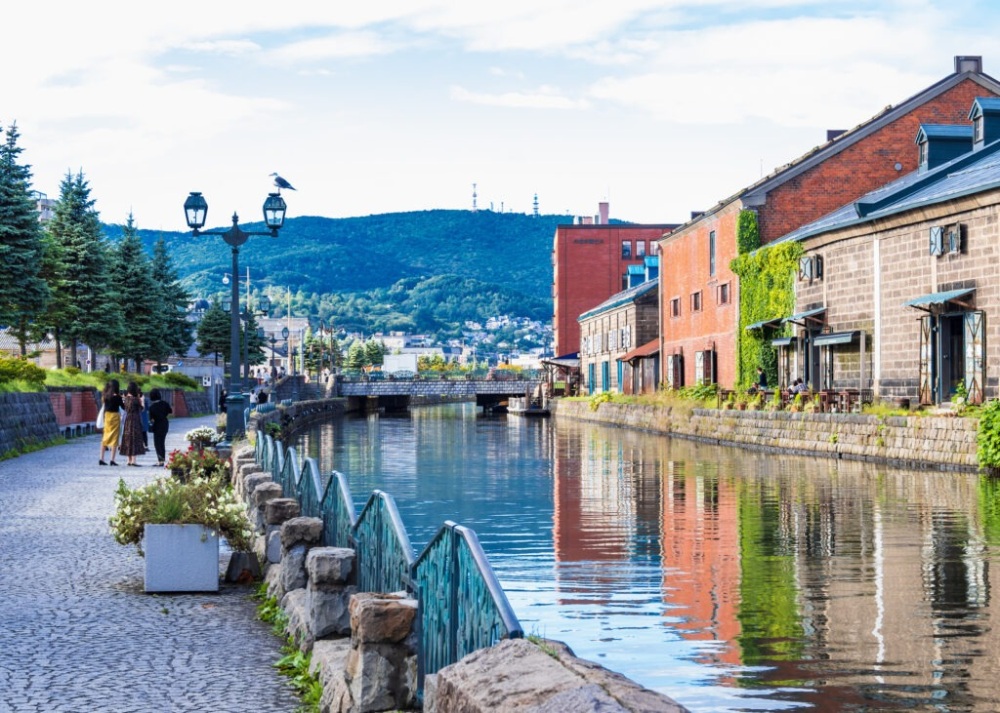
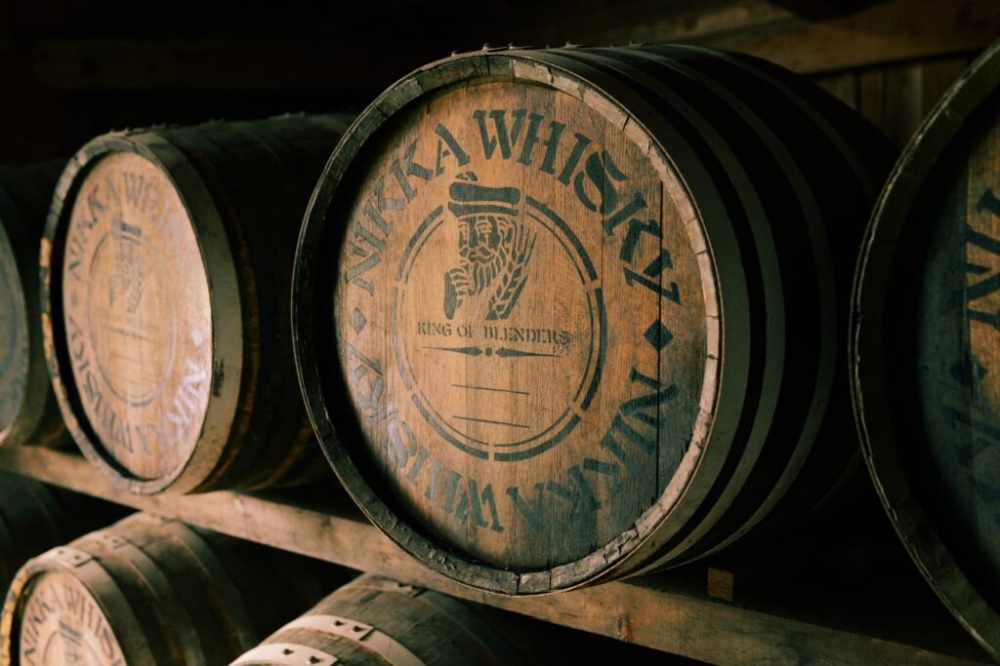
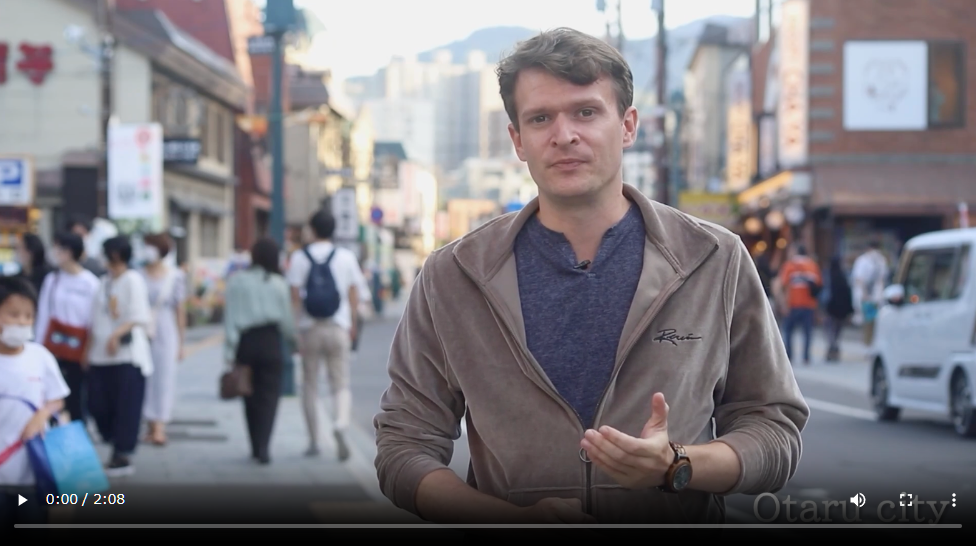
Today is your last day at Hokkaido. Eating breakfast as normal, your guide will drive you to Otaru, a historic canal city to the north of Sapporo. As with so many of the other towns on the island, Otaru flourished during the Meiji Restoration as Japan looked outward for the first time in more than two centuries. Its pretty period architecture is quite European in style. You’ll stroll well-preserved streets and visit the Kitaichi glassware emporium, before setting off on a canal-boat cruise. It’s a treat for lunch today: Ise Sushi, the proud recipient of a Michelin Star.
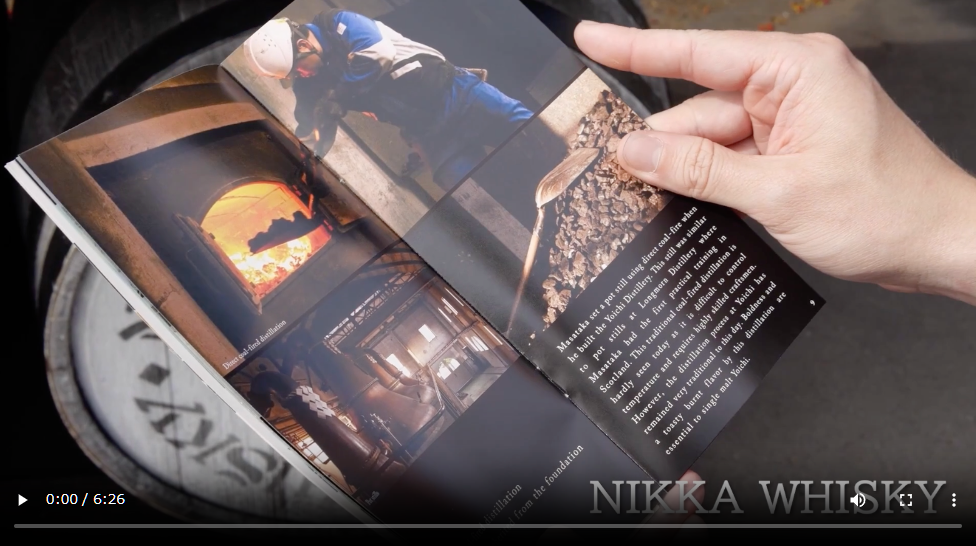
There’s time for a tasting tour at the Nikka Whisky Distillery in nearby Yoichi. Nikka is a renowned Japanese distillery, whose founder studied the art of whisky-making in Scotland just over a century ago.
Suitably refreshed, you’ll make your way to New Chitose Airport, say good- bye to your guide and catch an early-evening flight to Itami Airport in Osaka on the main island of Honshu. You’ll be met at the terminal by your second guide, who also speaks English and who will accompany you until the end of the holiday. They will drive you to your next hotel, the four-star Sheraton Miyako Hotel Osaka (or a similar hotel), where you’ll be able to arrange dinner on your own.
Day 8: Meet the messengers of the gods
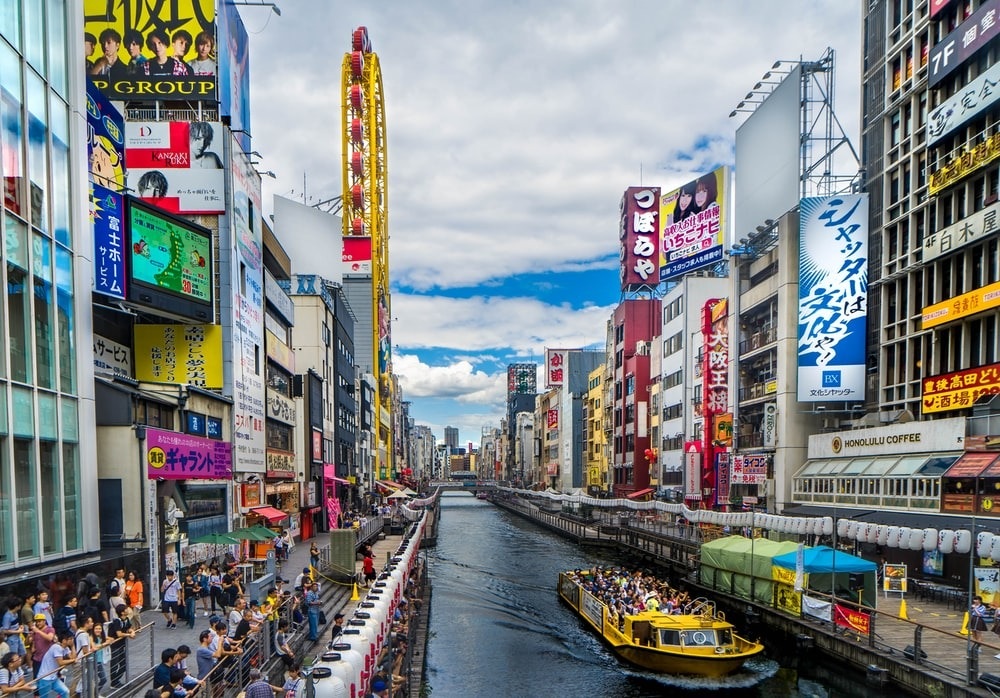
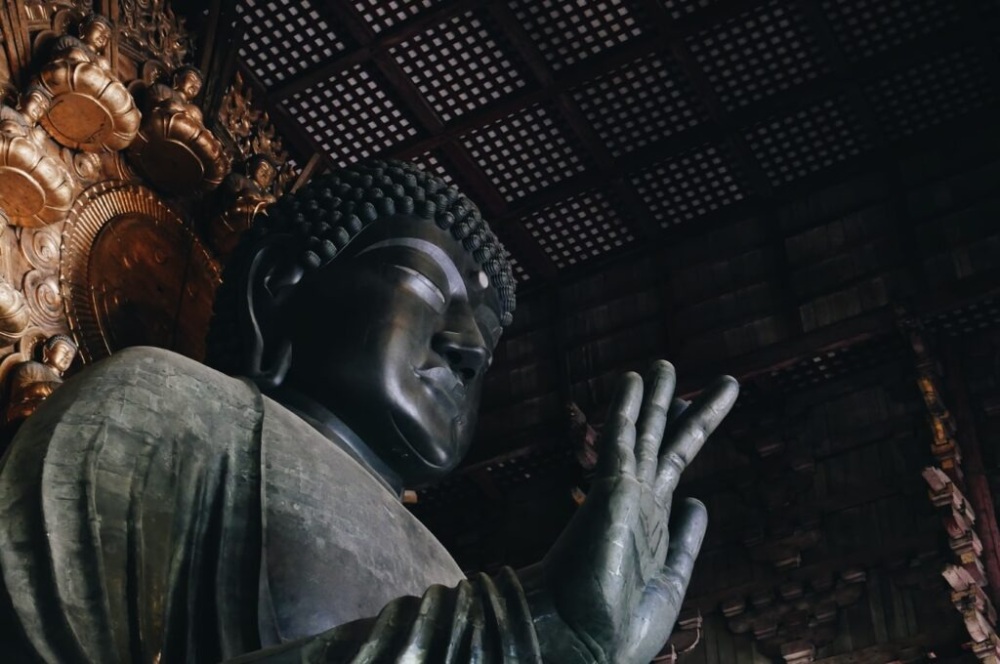
After breakfast, there’s time for a quick nose around Osaka – notably Dotonbori, its neon-lit central shopping district. But you won’t be there long, because today you’re driving to Kyoto, the old imperial capital and one-time seat of the Tokugawa Shogunate. You'll stop off at the beautiful city of Nara. As an even older capital of Japan than Kyoto, Nara houses many of the nation’s most ancient and precious treasures, most of which are found in the sprawling environs of Nara Park. Here you’ll find dozens of temples and shrines, some dating back more than a millennium, as well as thousands of docile deer who are regarded by the locals as the messengers of the gods. They’re very friendly, and some have even learned to bow in order to earn one of the tasty deer crackers you can buy at concessions throughout the park.
The two best sites are probably Todai-ji, a huge wooden temple that houses the largest bronze Buddha in the whole country, and Kasuga Grand Shrine, a bright red Shinto complex that welcomes guests with hundreds of historic bronze lanterns. There’s plenty more to see and do in Nara however, including periodic exhibitions of many significant religious and historic artifacts – as well as plenty of places to find a good lunch.
It’s a short hop from Nara to Kyoto, where you’ll attend the Fushimi Inari Shrine, which has hundreds upon hundreds of vermillion torii gates winding their way up the hillside. This serene spot is one of the holiest sites in Shinto, the native Japanese religion. It venerates the popular fox god Inari, who looks after rice, the harvest and all sorts of other good things.
You’ll be staying at the four-star Kyoto Century Hotel (or another similar hotel) located very centrally near the station. This evening’s dinner is also up to you, though there are more than enough restaurants in the city to suit any palate. Why not try the local speciality, tofu prepared from ancient Buddhist vegetarian recipes?
Day 9: The imperial capital
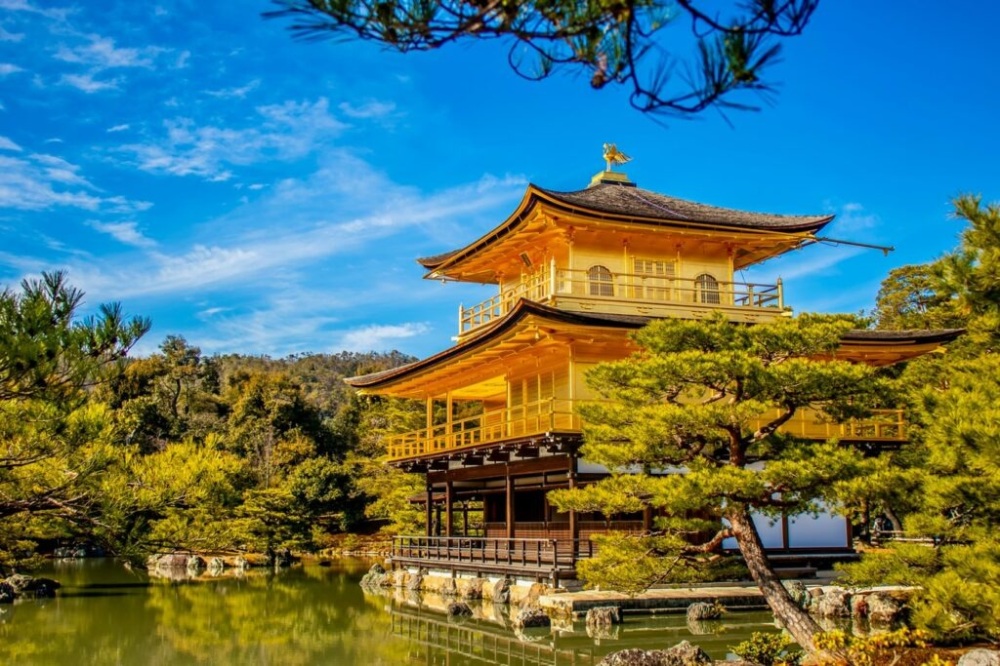
After breakfast, you’ll drive to another of Kyoto’s iconic locations: the Arashiyama bamboo forest, a lush green district on the outskirts of the city that’s home to numerous treasures. You’ll then see Kinkaku-ji Temple, known as the Golden Pavilion for reasons you’ll soon appreciate, before finding lunch on your own.
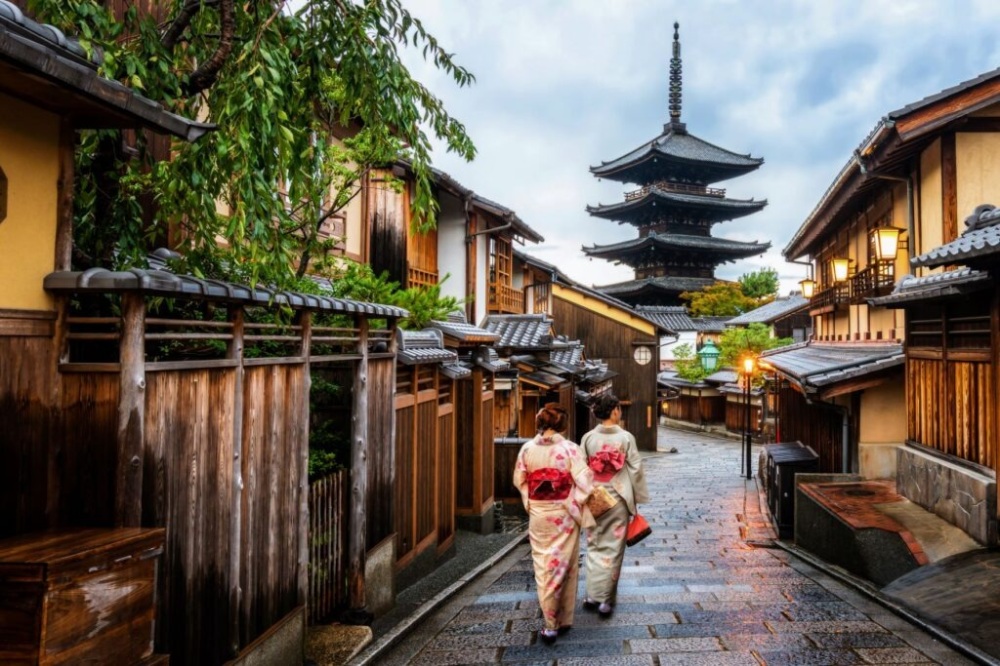
Kiyomizu-dera Temple, built on long stilts down a precipitous hillside, is the next stop, before you head to Ninenzaka and Sannenzaka, two beautifully preserved medieval streets, and the historic Gion district, which is still home to many practicing geisha. You can once again go out for dinner in Kyoto, and your guide will have many excellent recommendations if you can’t decide what to pick.
Day 10: The White Heron Castle
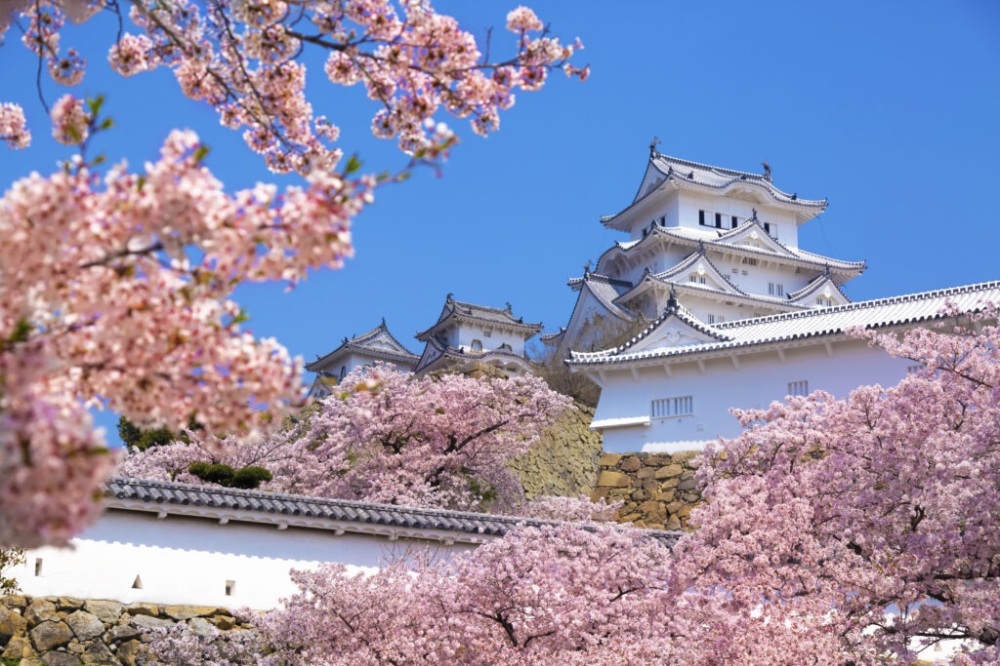
It’s another historical excursion out of Kyoto today, as you make he journey to Himeji Castle after breakfast. You’ll board the Bullet Train heading due west to see the most celebrated castle in the whole country. Known as the White Heron Castle for its bright white exterior, this fortress was the seat of many of the most powerful warring clans during the long Sengoku period of bloody civil war. The current structure dates back to the very end of this era, and it’s never looked better after a recent restoration.
You’ll also see Koko-en, a pristine landscape garden in the castle grounds, before tucking into lunch at a nearby restaurant. That afternoon, you’ll make your way to the picture-perfect Engyo-ji Temple in the hills via bus and ropeway. This religious fastness is so authentically Japanese that parts of it were used in the Tom Cruise blockbuster The Last Samurai. Set in some incredible scenery, it’s great for hikers and those who just want to get as far off the beaten track as they can.
You’ll return to Kyoto the way you came, by Bullet Train. This evening is your own; feel free to head into the many side streets and back alleys, looking for one of the many hidden-gem eateries that fill this magnificent city.
Day 11: Tokyo at last
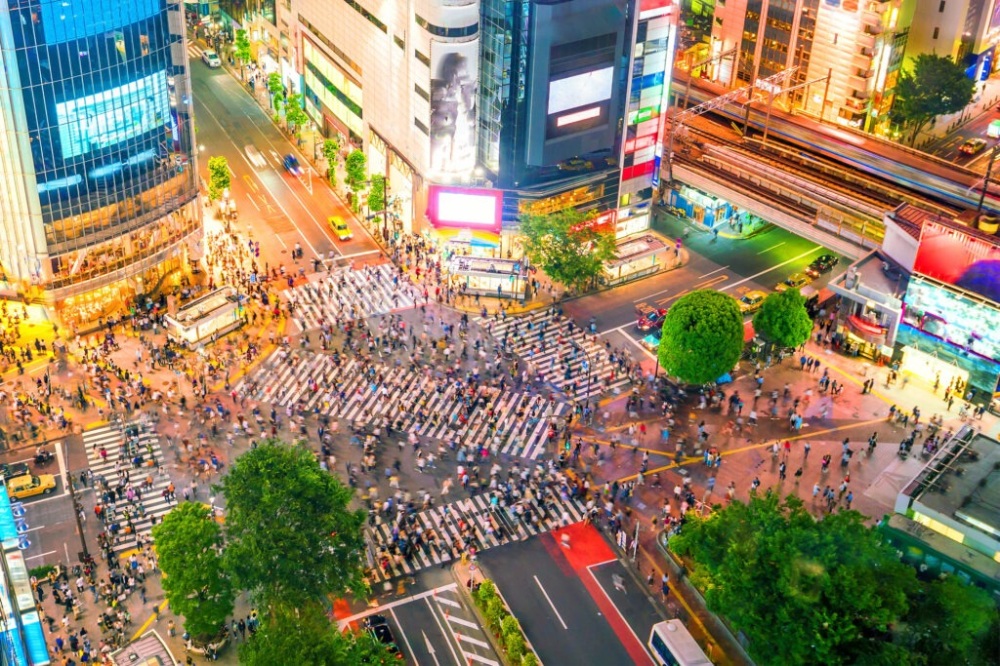
No journey to Japan can be considered complete without at least a short stay in Tokyo, the metropolis that dominates the south-eastern seaboard. You’ll depart after breakfast, once again riding the Bullet Train at speeds of 200mph or more, hurtling towards Tokyo’s central station. Your luggage will be shipped separately to your hotel, because you’ll be out seeing the sites just as soon as you check in at your hotel.
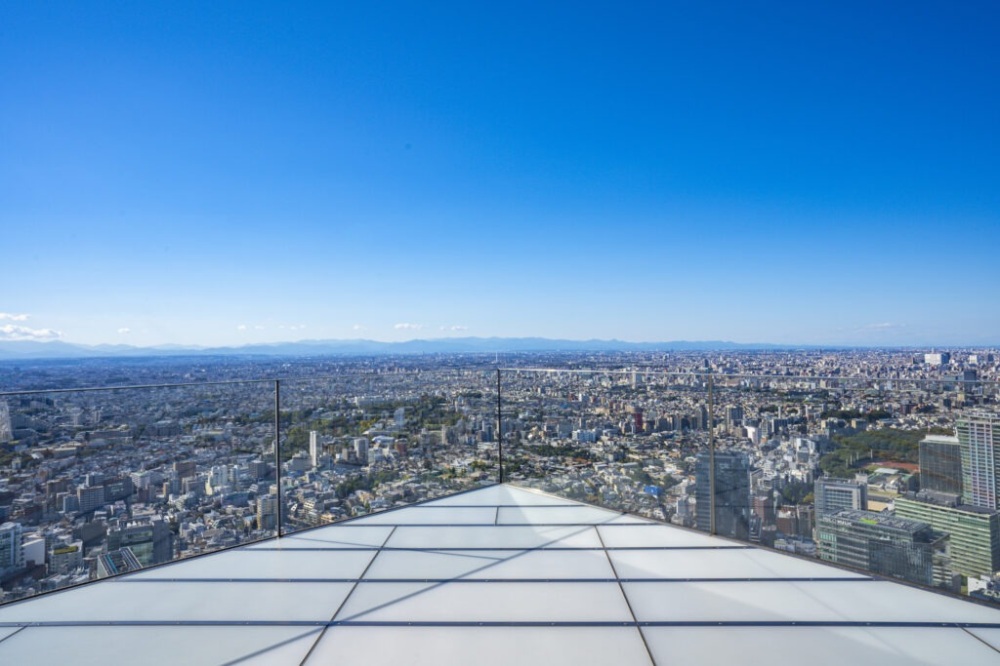
Exploring Tokyo by public transport - including its famously clean and efficient Metro - your first stop is the trendy shopping district of Shibuya, home to global brands, huge department stores and the famously unceasing Shibuya Crossing road intersection that’s perpetually illuminated by innumerable neon advertisements and giant video screens. There’ll even be time for a trip to the top of Shibuya Sky, an open-air platform 230m above street level, with stunning views of the whole city.
Your hotel for the next three nights is the four-star Akasaka Excel Hotel Tokyu (or another of similar quality). Dinner is once more up to you, but Tokyo is filled to the brim and beyond with wonderful places to eat, so you won’t be short of inspiration!
Day 12: High culture in the capital
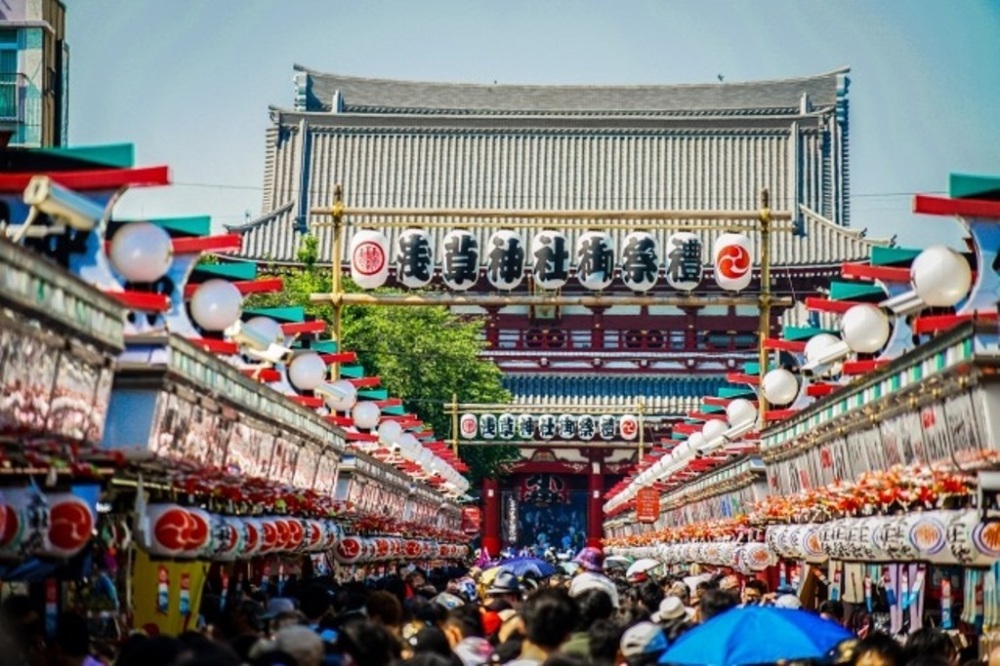
Your guide will meet you at the hotel after breakfast as usual, taking you on a full-day tour of the most historic parts of Tokyo via public transport.
You’ll visit the nearby Imperial Palace, the official residence of the current emperor, taking in Nijubashi Bridge and the palace grounds, an oasis of lush greenery in this hectic city. You’ll then move east to see Senso-ji Temple and the Nakamise shopping arcade, a quaint parade of stalls and vendors that's a perfect spot to pick up souvenirs, gifts and trinkets for friends and families.
After lunch on your own, we’ve arranged a cruise down the Sumida River – the best way to see more of this fabulous city. You’ll disembark near Tokyo Bay, giving you time to stroll the Hama Rikyu gardens near the waterfront which was, once a duck-hunting area reserved for the local lords and now rather more ornamental! Then it’s time to exchange the chaos of the big city for the serene hospitality of the Tea Ceremony at a local venue. This most traditional of Japanese rituals will re-centre you after the breakneck pace of the last two weeks.
Day 13: Uncovering the real Tokyo
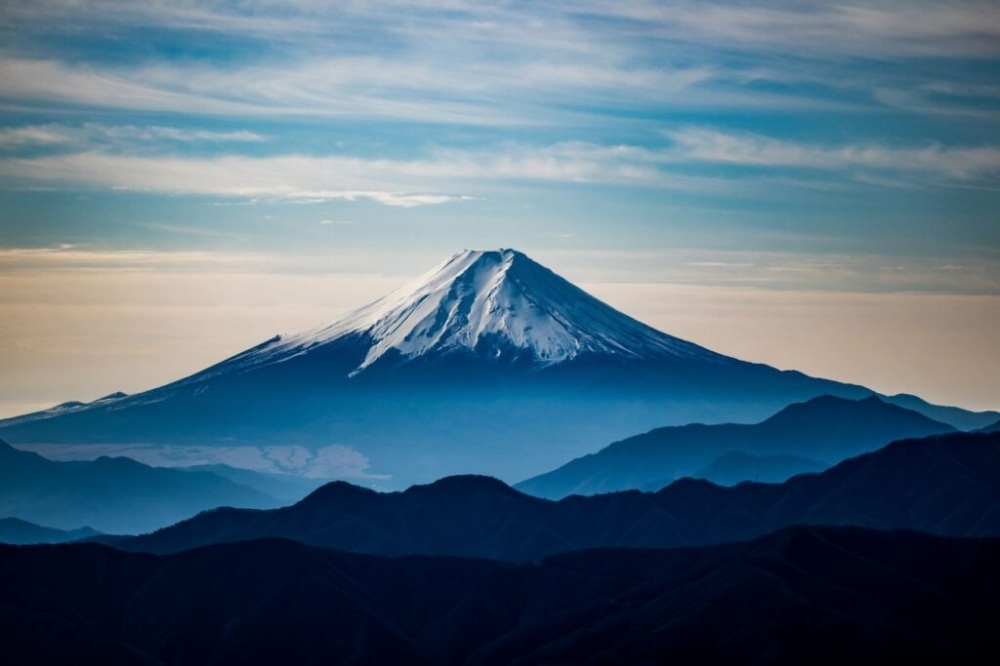
After a hotel breakfast, we’ve arranged a free day for you to explore Tokyo at your own pace. From museums and art galleries, through boutique shopping districts and traditional food markets, to historic sites and religious centres, this incredible city has a wealth of activities to suit any taste. But whatever you prefer to see and do today – you won’t be short of choice.
Lunch and dinner are left up to you today. If you’d prefer a more structured day, we can arrange an optional full-day tour of Mt Fuji and Hakone. This tour would take you all the way up to the fifth station to experience stunning views from more than halfway up the volcano, and includes a cruise on Lake Ashi, the caldera of another volcano extinct for 3,000 years, as well as a trip to Owakudani – which still steams and bubbles with vigorous geothermal activity. Lunch is included on this tour, but dinner will be up to you once more after you return to Tokyo.
Day 14: Homeward bound
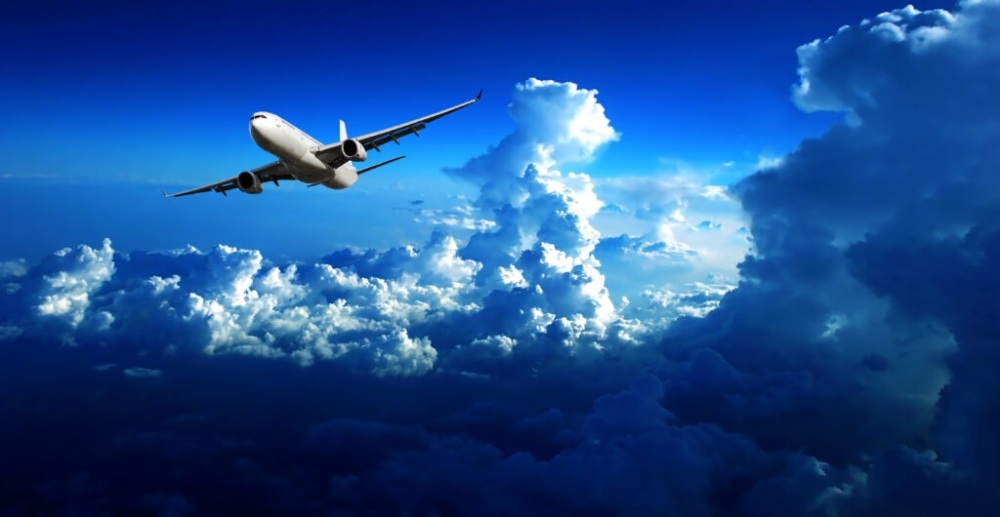
You’ll eat your final breakfast at the hotel as usual, before being driven to Haneda Airport, where you’ll board your return flight home, as arranged by your travel agent. We hope you had a wonderful time.
TOUR DETAILS
Tour fees
• 2 to 3 passengers: From ¥989,000 per person
• 4 to 5 passengers: From ¥786,000 per person
• 6 to 7 passengers: From ¥698,000 per person
• 8 to 9 passengers: From ¥638,000 per person
• 10 to 14 passengers: From ¥628,000 per person
• 15 to 19 passengers: From ¥568,000 per person
• Single supplement: ¥198,000 per person
Optional Mt Fuji and Hakone tour – ¥17,000 (adults), ¥8,500 (children)
• English-speaking guide
• Shared coach
• Hakone Ropeway
• Lake Ashi cruise
• Bullet Train tickets from Odawara to Tokyo
• Lunch
• Does not include travel from the hotel to the tour office
Included:
• Lodging: 12 nights at three or four-star hotels
• Meals: 12 hotel breakfasts, six lunches, six dinners, one tea and sweet
• Bullet Train tickets: Three journeys in reserved second-class seats (Kyoto to Himeji, Himeji to Kyoto, Kyoto to Tokyo)
• English-speaking guide: Per itinerary (including tip and allowance)
• Entrance and activity fees: Per itinerary
• Local transport: Buses, private cars, ropeway, cruise, taxis and trains, all per itinerary
• Domestic flights: From New Chitose Airport to Itami Airport
• Luggage delivery: From Kyoto to Tokyo
Excluded:
• International flights
• Domestic flights from Tokyo Haneda Airport to New Chitose Airport
• Drinks
• Certain meals, per itinerary
• Personal expenses
• Night-time excursion to Mt Moiwa (Day 6)
• Fuji Hakone sightseeing tour (Day 13)
• Other items not mentioned in the itinerary
Ranking of popular articles
- Hokkaido Spring Travel Guide
- https://www.visit-hokkaido.jp/en/feature/travelguide_spring
- Hokkaido Summer Travel Guide
- https://www.visit-hokkaido.jp/en/feature/travelguide_summer
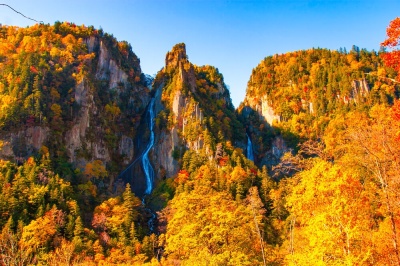
- Enjoy the Stunning Autumn Scenery at Popular Spots in Hokkaido
- https://www.visit-hokkaido.jp/en/feature/kouyou
- Best Places to View Autumn Leaves in Hokkaido vol. 1
- https://www.visit-hokkaido.jp/en/feature/best-places-to-view-autumn-leaves-in-hokkaido-vol-1
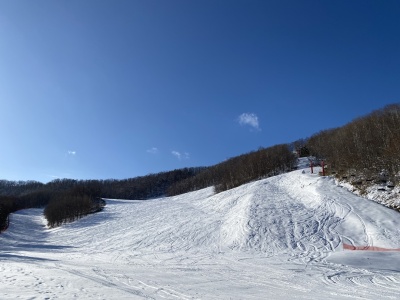
- Perfect for First-Timers! Nine Local Beginner-Friendly Ski Resorts
- https://www.visit-hokkaido.jp/en/feature/local-ski-beginners