Di-Maccio Art Museum
Step into a masterpiece 20,000 years in the future at this stunningly reimagined school
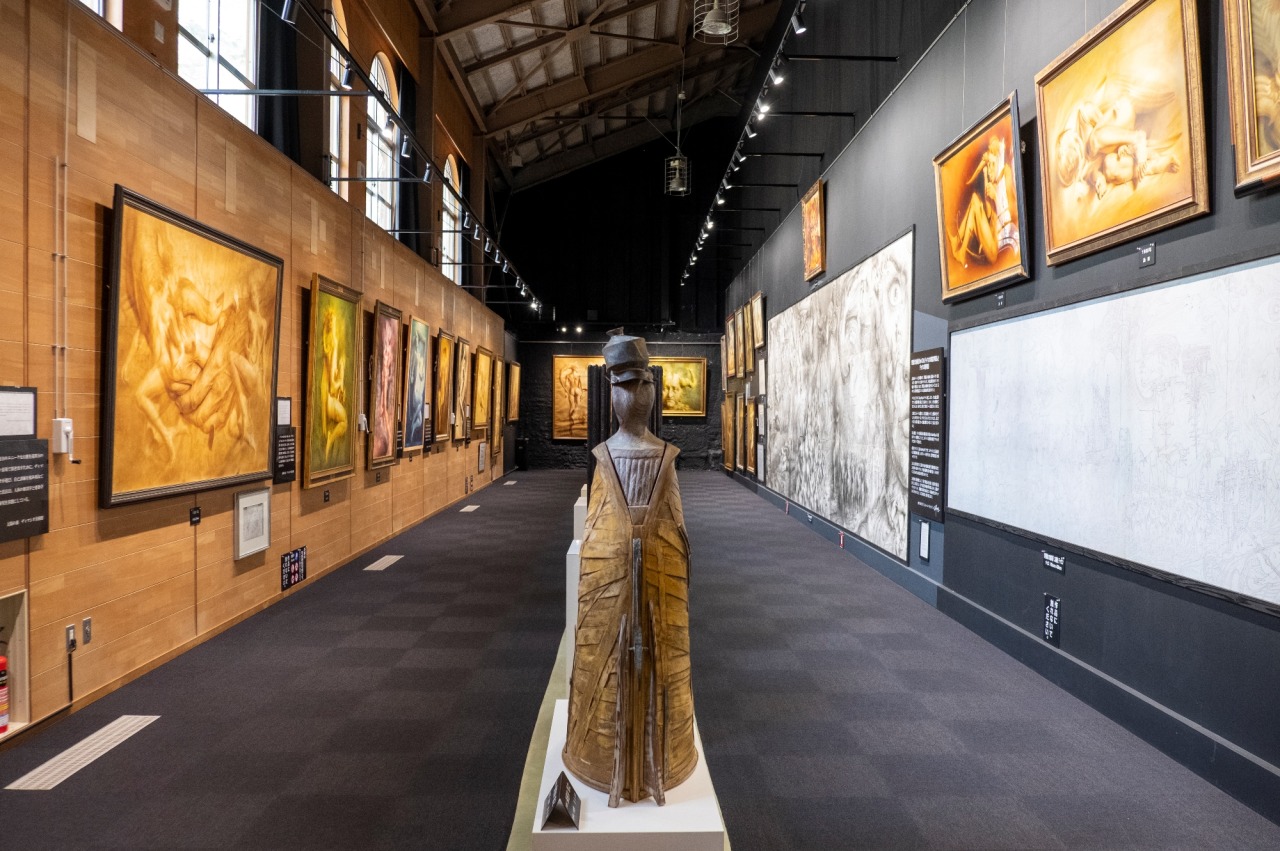
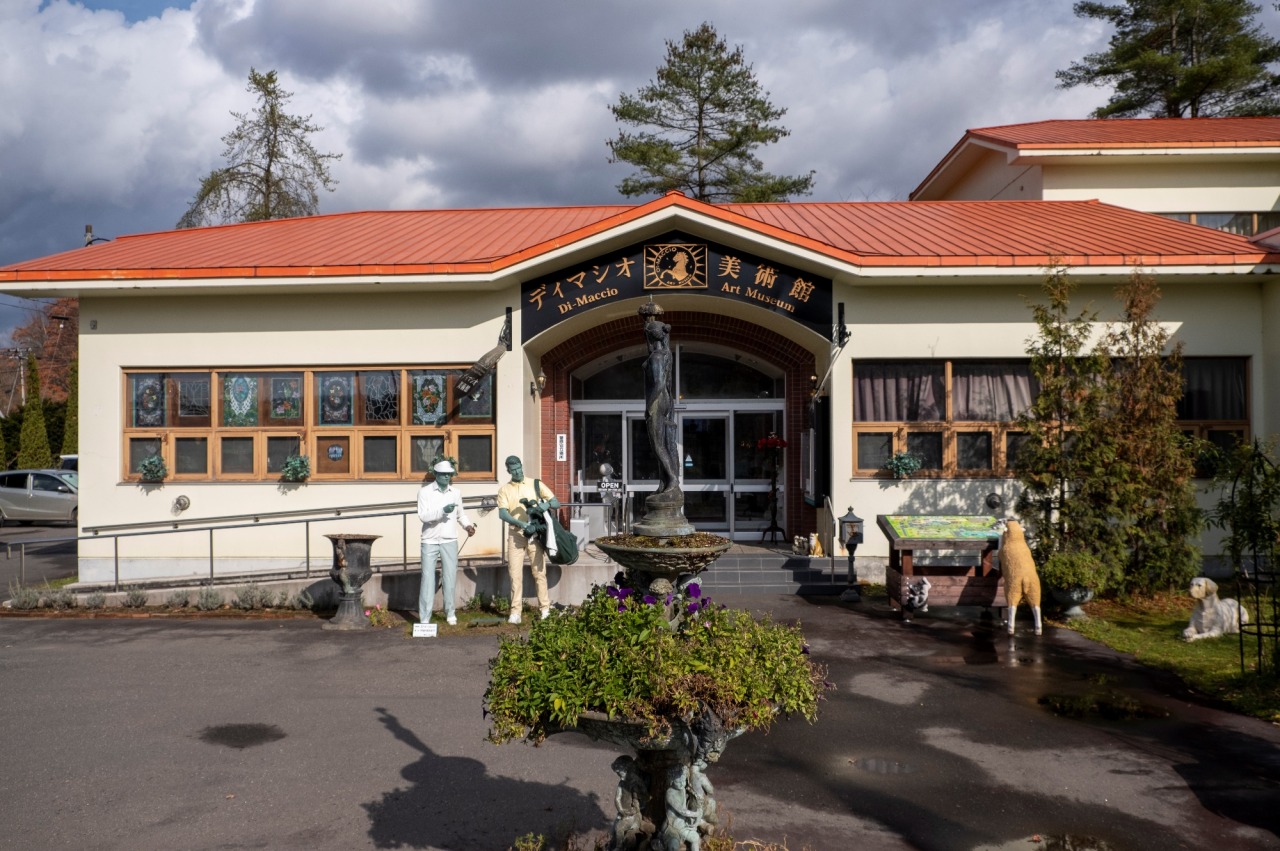
The Di-Maccio Art Museum is a unique "forest of art" created within a former elementary school. Home to the world’s largest oil painting and elegant Lalique glassworks, it offers a sensory journey through time and fantasy.
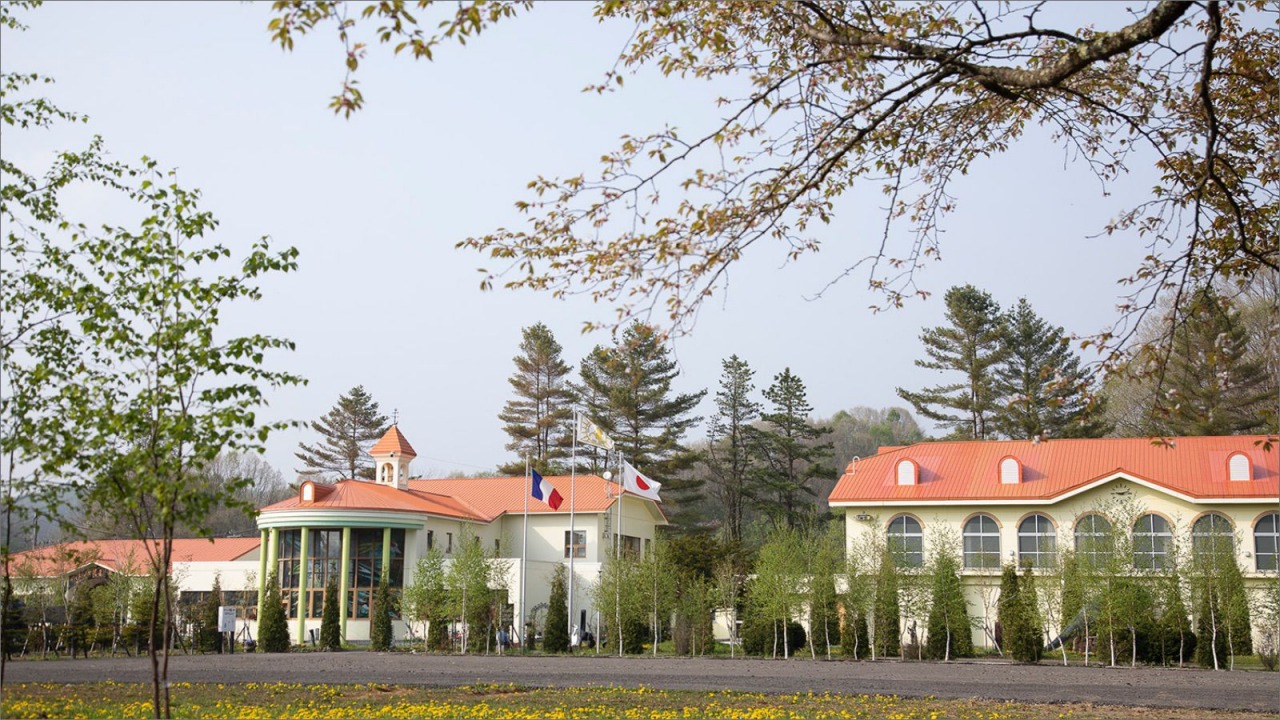
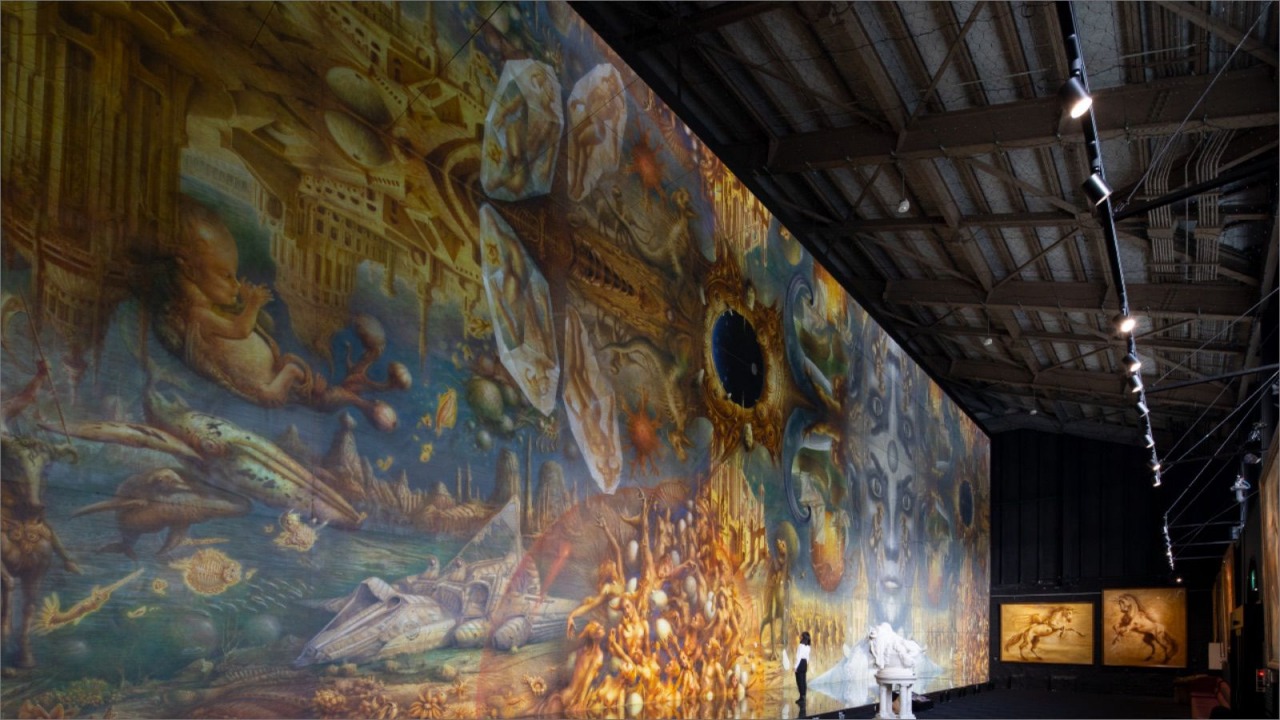
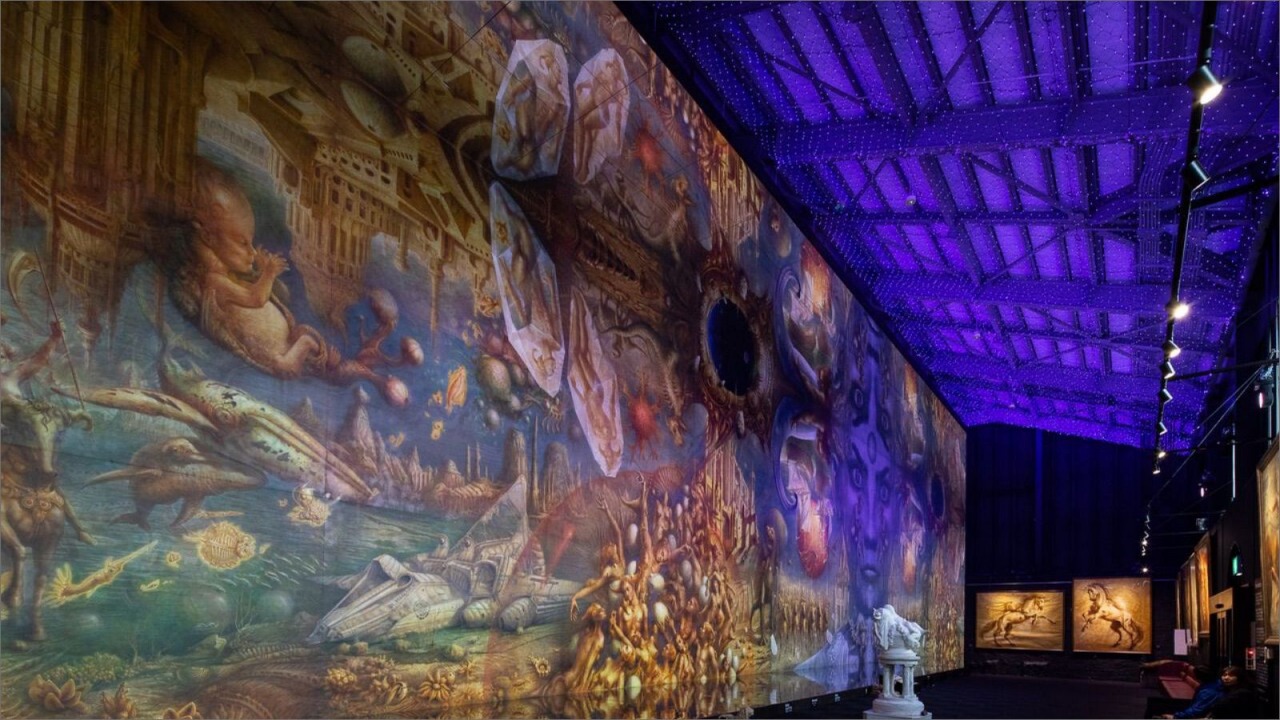
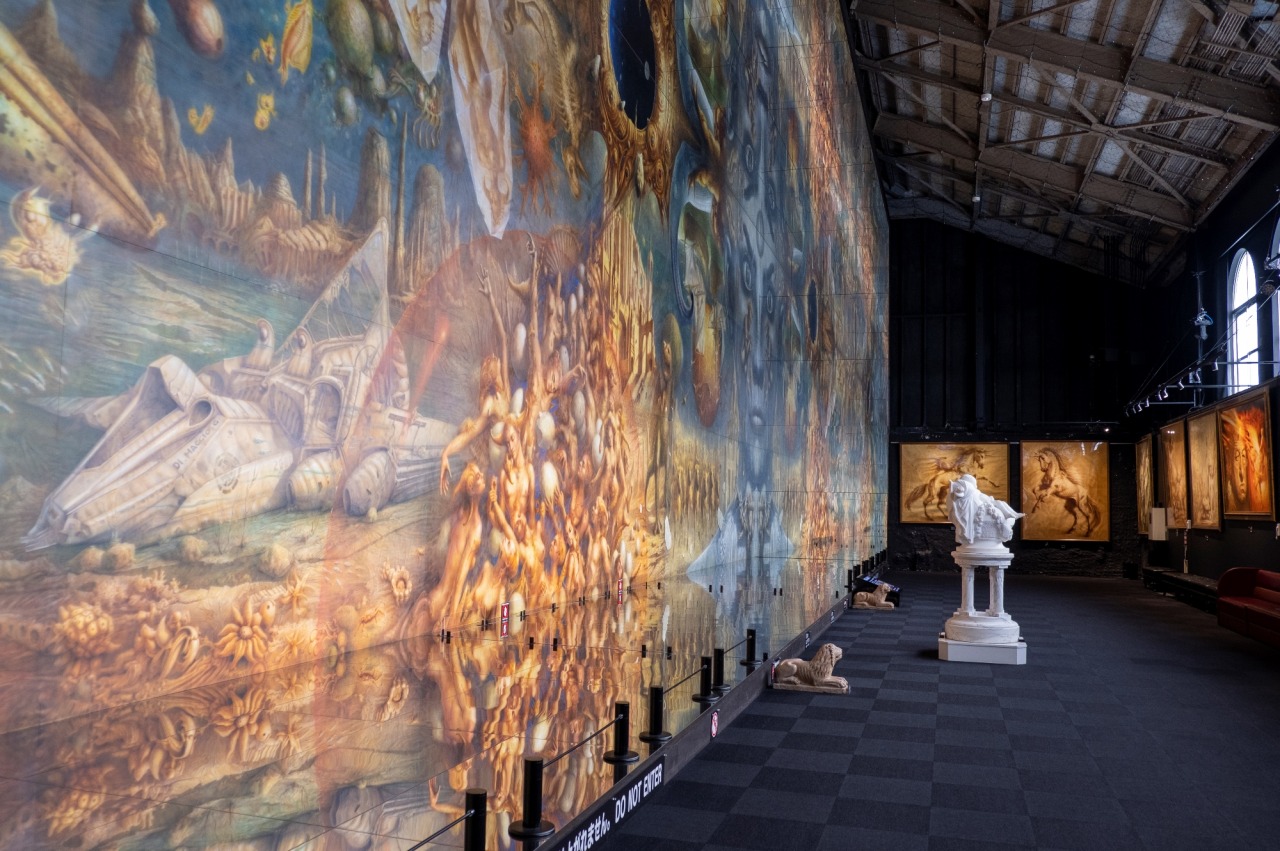
Surrounded by the nature of Niikappu Town, the Di-Maccio Art Museum breathes new life into the former Taiyo Elementary School. Its crown jewel is a 9m by 27m masterpiece by French artist Gérard Di-Maccio—the largest oil painting in the world. Depicting a world 20,000 years in the future, the work comes alive eight times daily through a dramatic light and sound show in the silent former gymnasium.
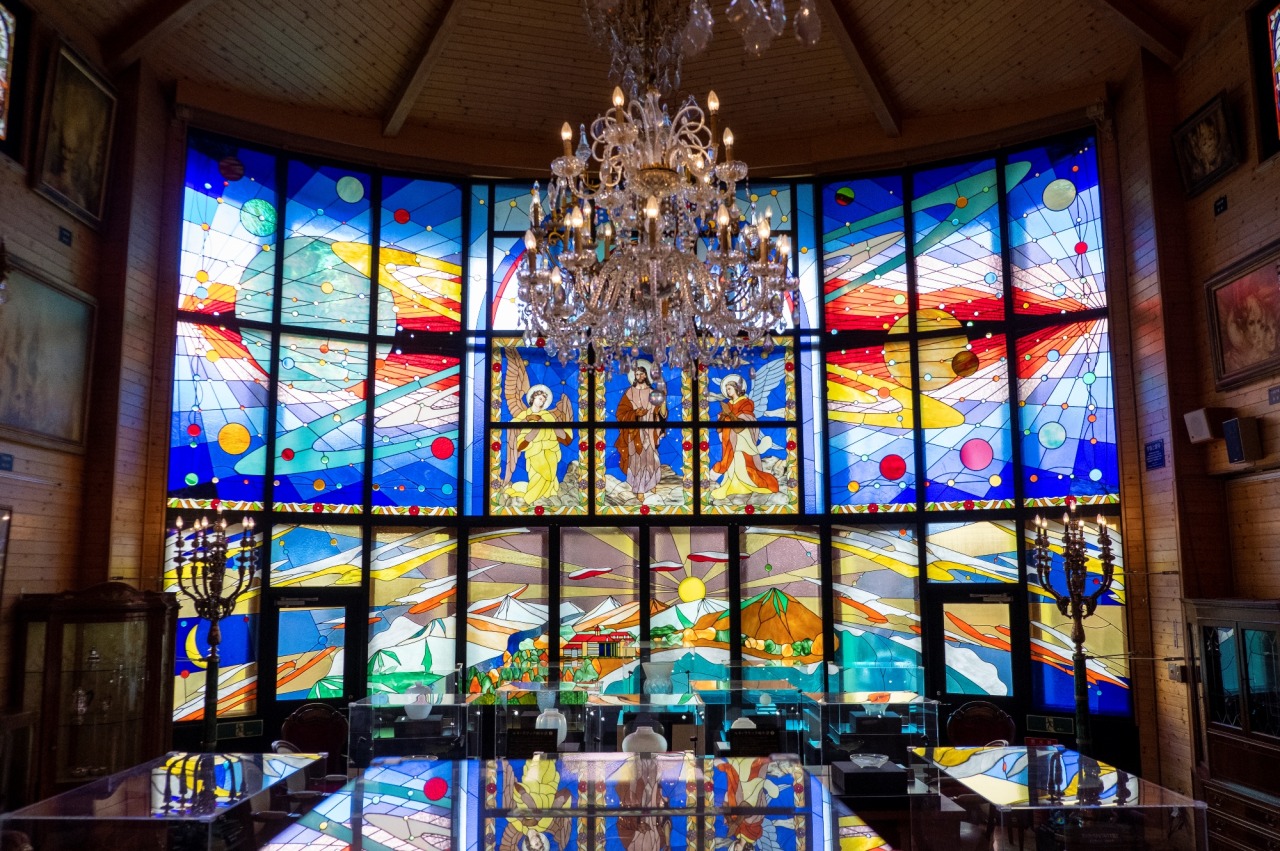
In the "Glass Museum," located in the school’s former indoor pool, about 180 delicate works by René Lalique glow under soft light. Outside, a sculpture garden invites you to wander among art and greenery. Here, the nostalgia of old classrooms blends with futuristic visions, creating a serene and unforgettable experience found only in Hokkaido.
- * Please note that the text shown on this page includes machine translations.
- Nearest airports
General Information
- Postal code
- 〒059-2343
- Address
- 北海道新冠郡新冠町太陽204-5
- Telephone Number
- 0146-45-3312
- Open
- 10:00-16:30
- Closed
- Closed in winter
- Prices
- paid
Free for elementary school students and younger and residents of the Taiyo area - Car Park
- 100 spaces, free
- Directions
- ●By car: About 20 minutes from Hidaka Expwy Hidaka-Atsuga IC
- Website
- Remarks
- The Glass Art Museum, renovated from a former elementary school swimming pool, houses more than 180 works by René Lalique, a French master glass artist active from the late 19th century to the early 20th century in the Art Nouveau and Art Deco periods, as well as a collection of works by modern glass artisans who created a technique called yokisai (rare coloring in a kiln). In addition, many glass works by Ichiya Asahi, an artist from the modern era of glass art and crafts who created a technique known as yokisai (rare coloring) are on display.
* Information on facilities is subject to change. Please check each official website for the latest information.